HURRICANE AND WIND DAMAGE
Florida's Most
Common Claim.
And Its Most
Disputed One.
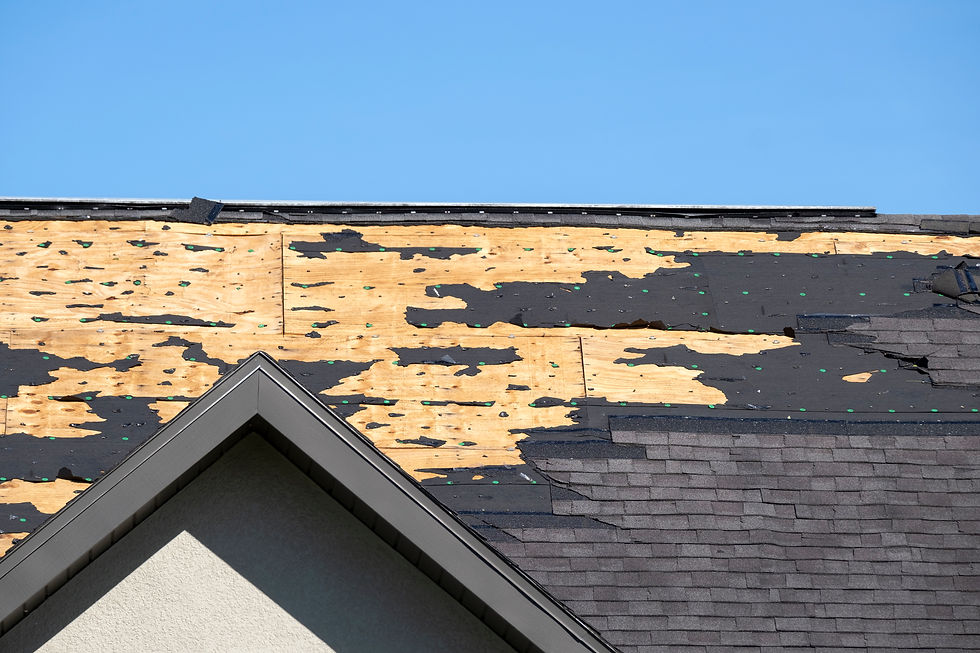
Wind damage is covered under virtually every Florida property insurance policy. The dispute is almost never about whether wind is covered. It is about how much damage the insurer is willing to attribute to it.
I have been handling hurricane and wind claims in Florida since 2016. I know exactly how these claims get disputed and exactly how to respond. You do not need a denial to call.
WHY WIND CLAIMS GET DISPUTED
The wind is not in question. The scope of the damage is.
Wind coverage is a standard part of Florida property policies. Insurers do not typically dispute that wind caused some damage. What they dispute is how much of the total damage resulted from wind versus pre-existing conditions, wear and tear, or excluded causes like flooding.
After a major storm this distinction becomes the central battleground of thousands of claims simultaneously. The insurer's adjuster arrives with an estimate already calibrated to limit the covered loss. Understanding where that estimate understates the damage is what separates a fully paid claim from an underpaid one.
I review the insurer's scope line by line against the actual damage and Florida's insurance requirements. Where the estimate falls short I challenge it with the right engineering and contractor documentation.
"The insurer's estimate is their starting position. It is not the final word on what your policy requires them to pay."
WHAT A WIND CLAIM CAN COVER
- Roof Damage and Replacement
- Structural Damage
- Water Intrusion from Wind
- Soffit and Fascia Damage
- Pool Enclosure and Screen
- Window and Door Damage
- Fencing and Outbuildings
- Interior Damage
- Loss of Use and ALE
- Contents and Personal Property
- Debris Removal
- Code Upgrade Requirements
This is not an exhaustive list. If your property sustained wind damage during the policy period it is worth a call.
THE BATTLE BETWEEN POLICIES
Wind versus water. The argument that determines your claim.
After a major storm insurers frequently argue that water damage inside a property was caused by flooding rather than by wind that opened the structure and allowed rain to enter. That distinction determines which policy applies and whether your damage is covered at all.
Wind-Driven Rain — Covered
When wind damages the building envelope and rain enters through that opening, the resulting interior damage is caused by wind. It is covered under the standard property policy even though the actual water damage looks similar to flood damage. Establishing that the water entered through a wind-created opening requires the right documentation and in many cases an independent engineer or meteorological expert.
Flood Water — Separate Policy Required
Water that rises from an external source, storm surge, overflowing bodies of water, or surface water accumulation, is flood damage and requires separate flood coverage. Standard property policies specifically exclude this. Insurers frequently categorize as much interior water damage as possible as flood-related. Challenging that categorization with proper documentation of the damage sequence is one of the most valuable things an attorney can do on a post-hurricane claim.
"Flood exclusions apply to flood water. Not to rain that enters through a wind-damaged roof or wall. Those are different events under Florida insurance law and they are treated differently."
WHAT TO EXPECT
The four most common ways wind claims get disputed.
01
Pre-Existing Damage
The insurer argues that damaged roof components, structural elements, or other areas were already compromised before the storm occurred, reducing or eliminating the covered loss on those items.
Response: Pre-existing damage arguments require the insurer to specifically identify and document the condition they are relying on. A general claim that damage predates the storm without supporting evidence does not satisfy that burden.
02
Scope Underestimation
The adjuster writes an estimate that accounts for visible surface damage while omitting code upgrade requirements, concealed structural damage, and the full replacement cost of damaged components.
Response: Florida building codes require damaged components to be brought to current standards when repaired or replaced. Those upgrade costs are a covered part of a legitimate wind claim and are frequently missing from the insurer's initial estimate.
03
Wear and Tear
The insurer attributes damage to the gradual deterioration of materials over time rather than to the storm event, arguing that the damage would have occurred regardless of the hurricane or wind event.
Response: Sudden storm damage is categorically different from gradual deterioration under Florida insurance law. The insurer carries the burden of proving that the damage resulted from wear and tear rather than from the covered peril.
04
Wind Speed Dispute
The insurer pulls weather station data from a nearby location to argue that wind speeds at your property were not high enough to have caused the reported damage, using regional averages to discount what actually occurred at your specific address.
Response: Weather station data does not accurately capture localized wind conditions during a storm. Forensic meteorological analysis specific to the property location is the appropriate tool for establishing actual wind speeds and countering a generalized wind speed argument.
THE PROCESS
What happens when you call.
01
Free Case Review
I review your policy, the damage, and the insurer's position at no cost. You will know within the first conversation whether you have grounds to pursue more and what that process looks like.
02
I Build Your Case
I document the loss, retain the right experts, and build a legal strategy designed to counter whatever position the insurer has taken. You do not have to figure any of this out yourself.
03
Recovery
Through negotiation, appraisal, or litigation, I pursue every dollar your policy entitles you to. No fees unless I recover. No surprises. No fine print.
HAVE A DENIED OR UNDERPAID CLAIM? DON'T WAIT, DEADLINES APPLY.